

The importance of archaeology is vital to a
nation. Through the study of ancient remains and artifacts, much new
light can be shed on the history of earlier civilizations.
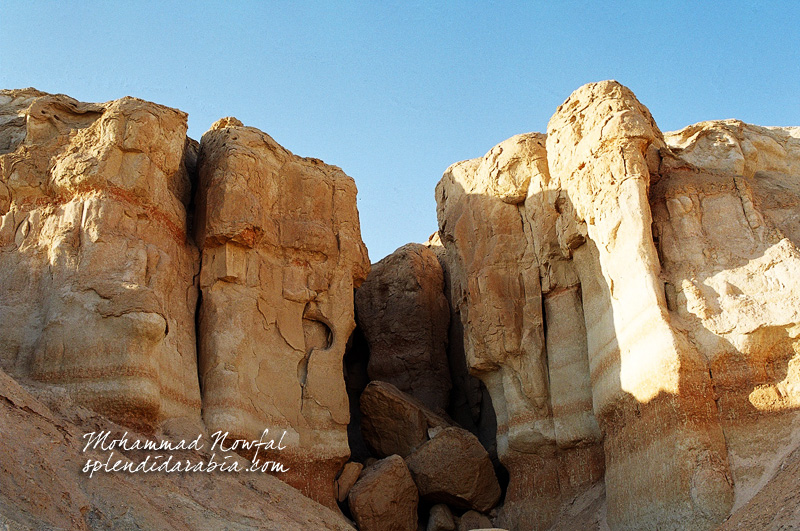
Archeological evidence indicates that man lived in
the region of Al Fau in Saudi Arabia since PREHISTORIC times. The prehistoric of
Qaryat Al Fau covers the PALEOLITHIC, MESOLITHIC and NEOLITHIC
periods. The most ancient times of Al Fau also include the
PROTOHISTORIC era, a period, which immediately precedes the
invention of writing.
more... |
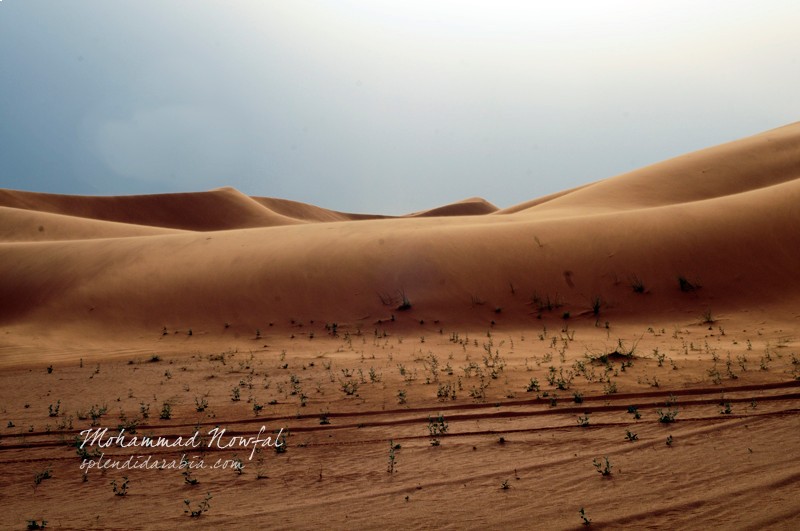
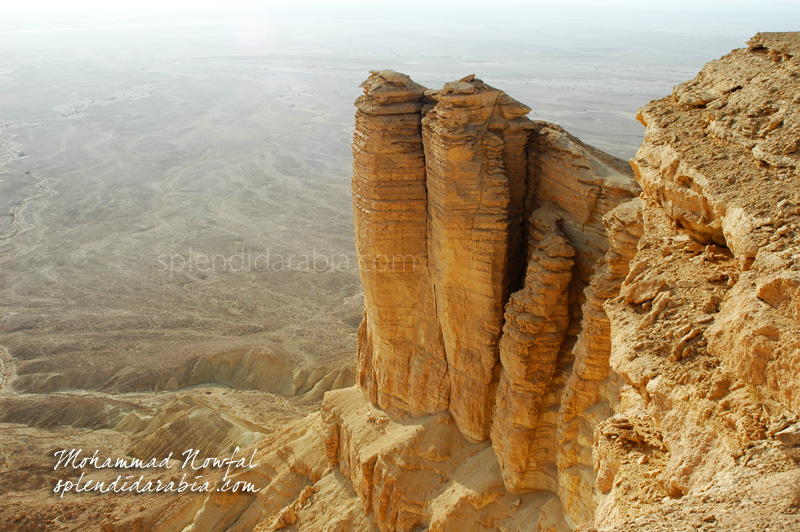
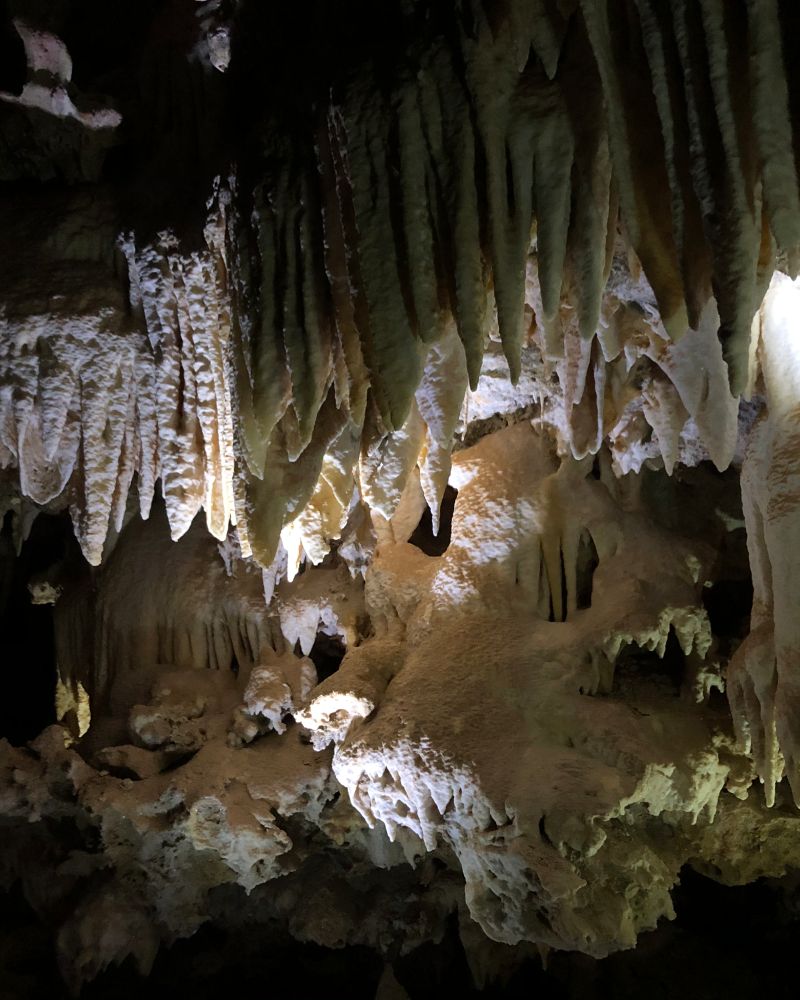
Saudi Arabia has exquisitely varied landscapes, of
mountain peaks, enormous oasis, escarpments, gorgeous caves, seas,
deserts, canyons, plateaus and beautiful coastlines
An area of around 2,250,000 square kilometers, Saudi Arabia is a loosely
populated country with 2,640 kilometers of coastline with rich marine fauna, mountains up to the height of 10,522 feet and
vast deserts with an estimated area of about 650,000 sq km.
more...
 |
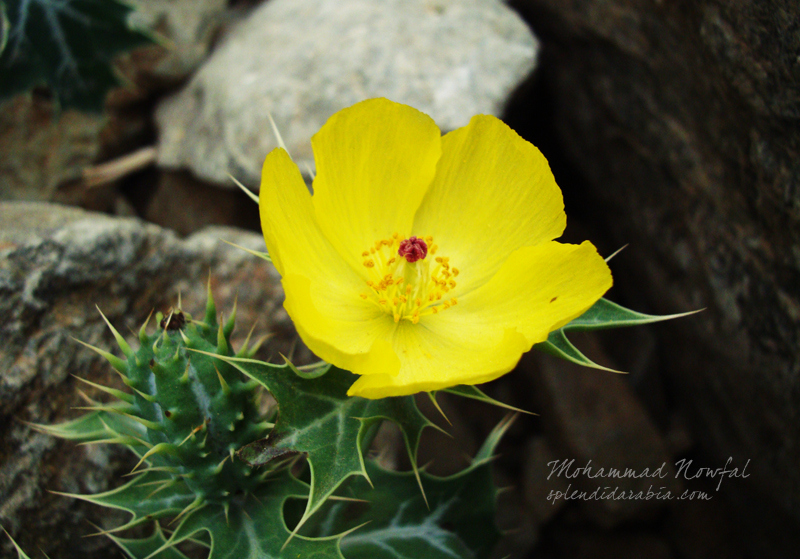
It is far from being true to say that Saudi Arabia is a
country almost devoid of vegetation and a barren land.
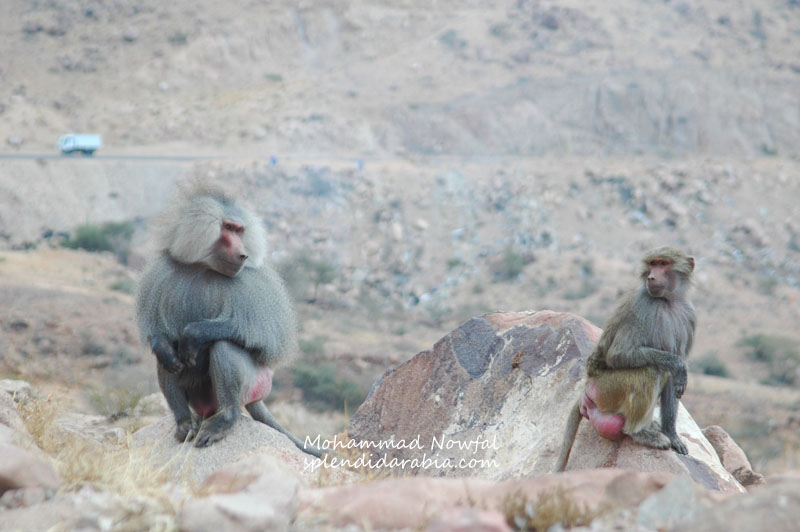
There are 16 wildlife natural reserves in Saudi Arabia which
constitute approximately 4% of the total area of the country. The
government found that they are important for conservation of
biological diversity by protecting the existence of viable
population of key categories of organisms of flora and fauna.
more... |
Saudi Arabia is the homeland of Prophet Mohammad (PBUH)
and is also the birth place of Islam.
The Arabic word 'Islam' means peace, submission and obedience.
The religion of Islam is the complete acceptance of the teachings
and guidance of God as revealed to His Prophet Muhammad (PBUH).
A follower of Islam is called a Muslim. 'Mohammedanism' is a misnomer for Islam and offends
its very spirit.
The word 'Allah' is the proper name of God in Arabic. It is a unique
term because it has no plural or feminine gender.

more... |